Accra, Ghana — August 2026
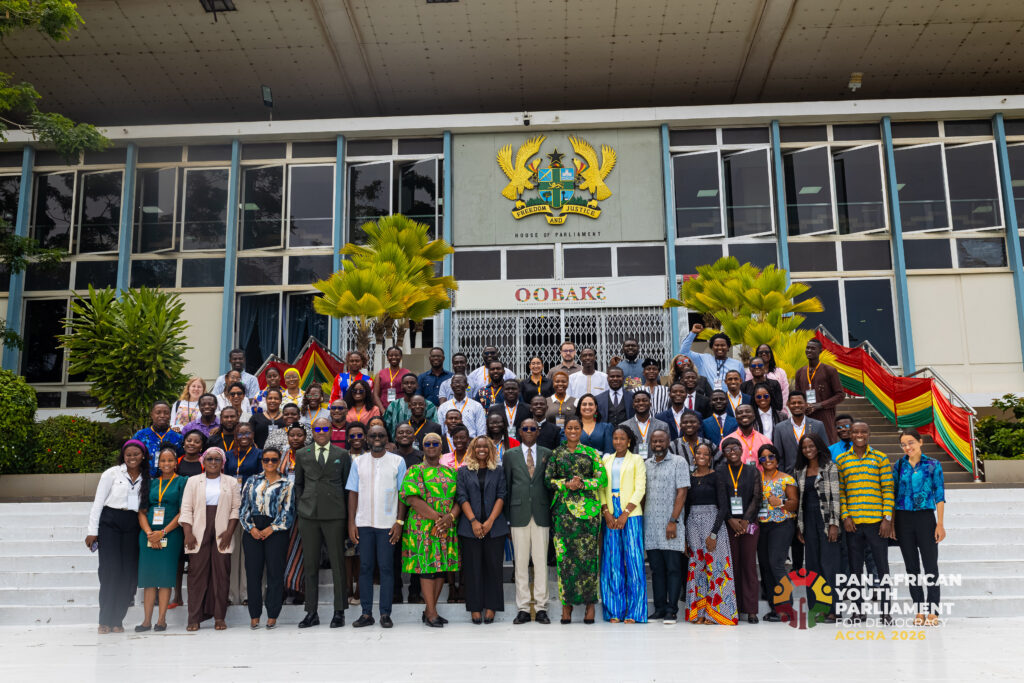
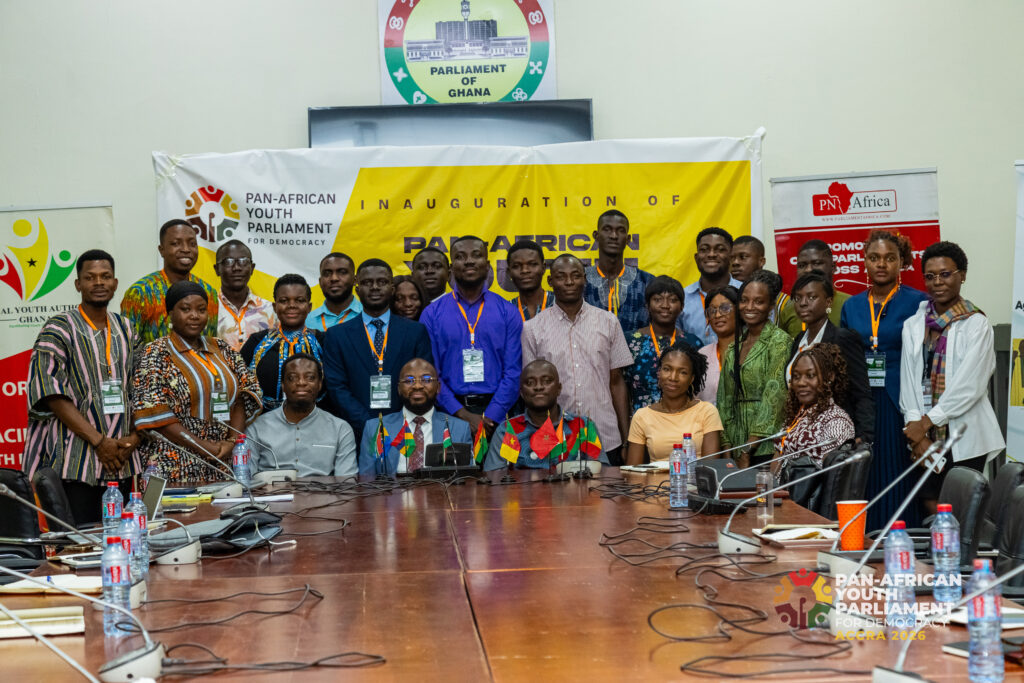
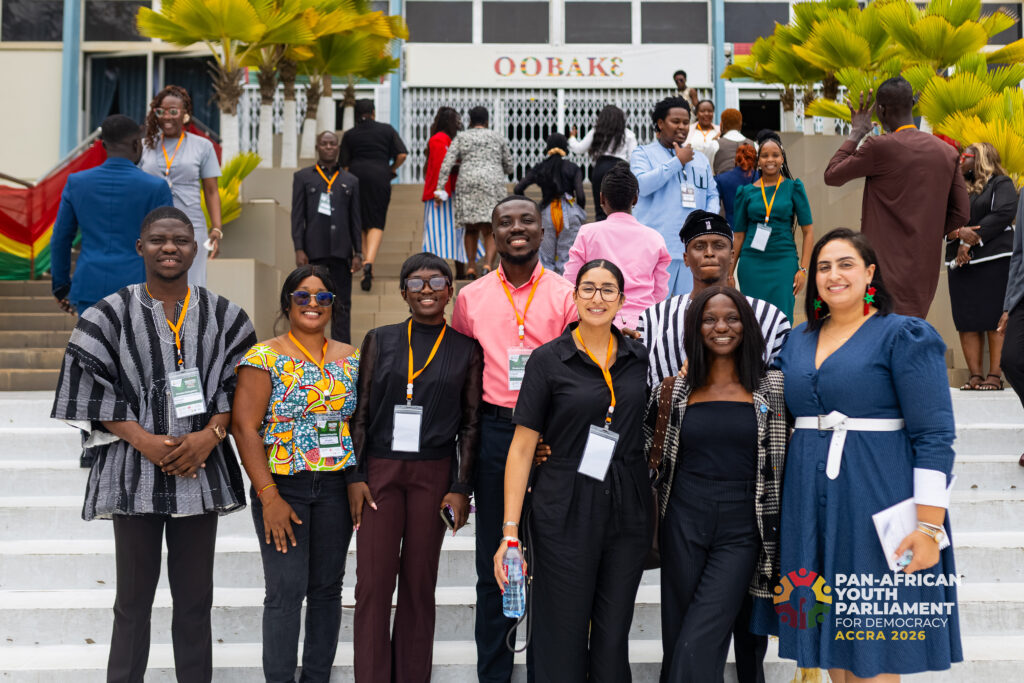
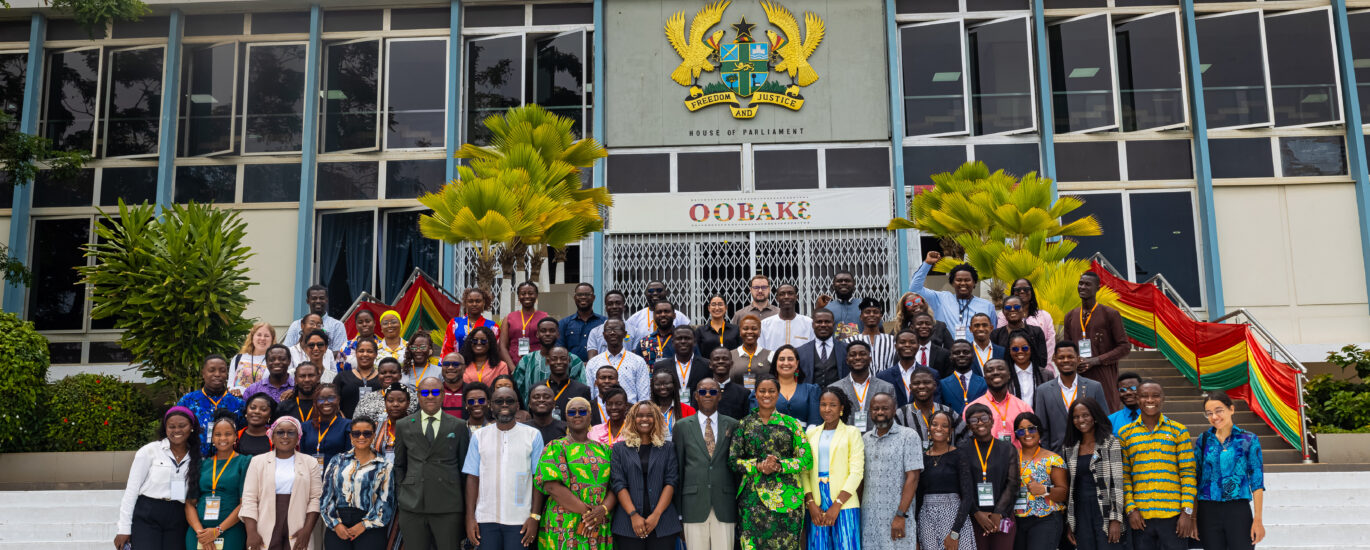
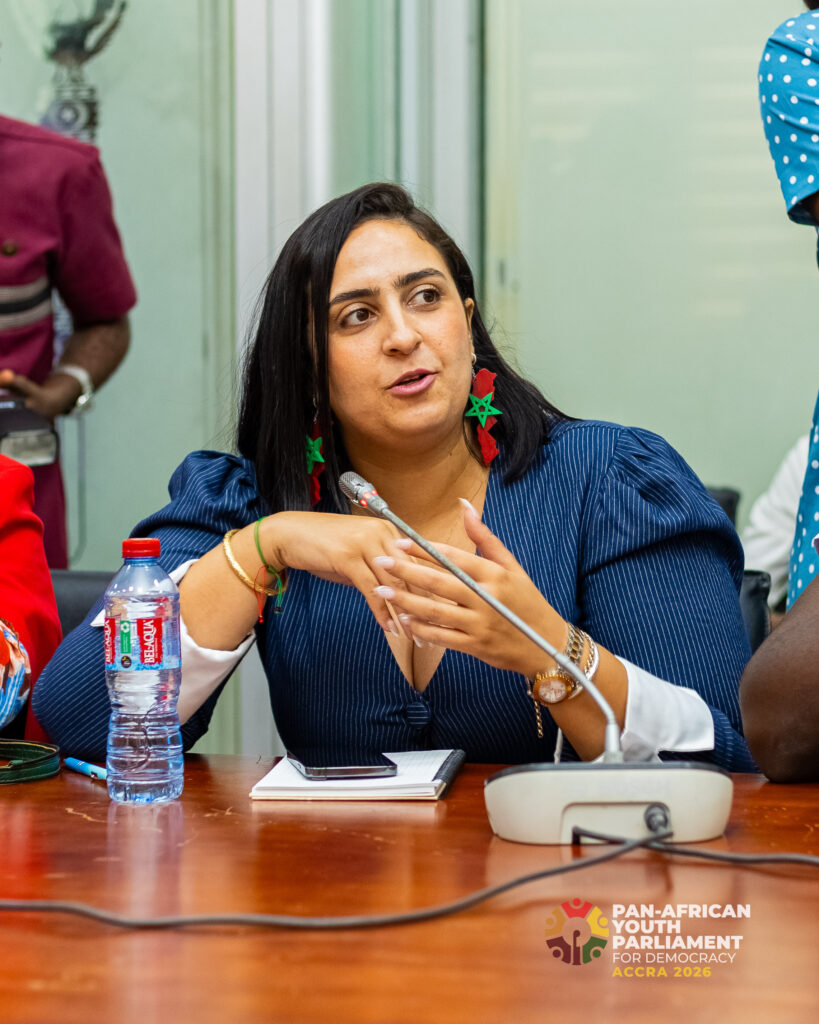
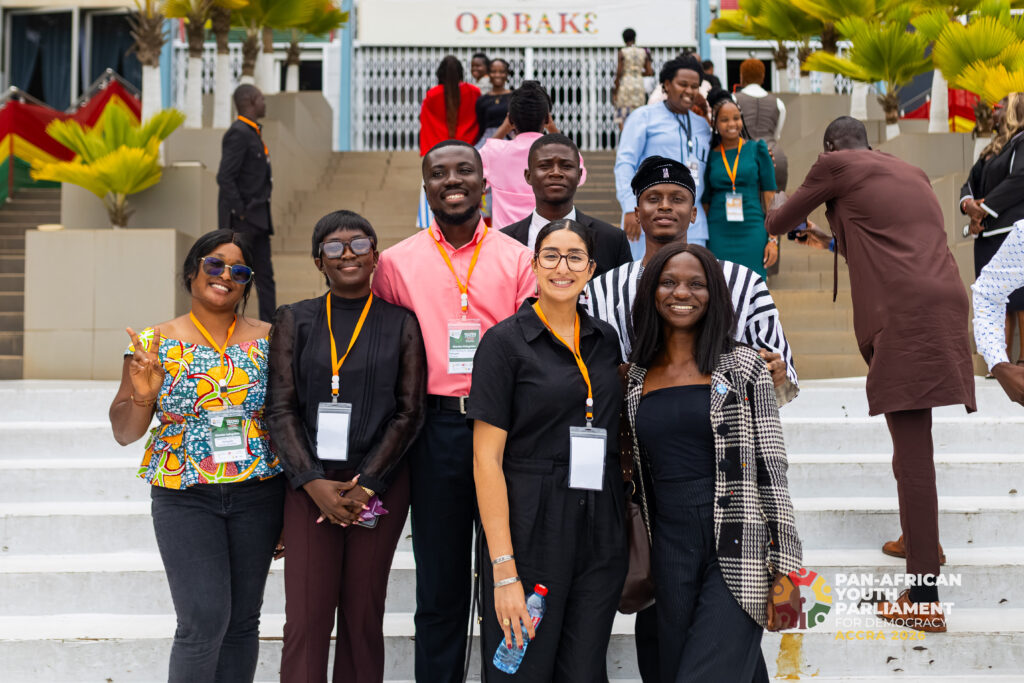
AFES-Ghana joined a landmark gathering of young leaders from across the continent in Accra from 3 to 5 August 2026, as the Pan African Youth Parliament for Democracy held its inaugural session under the theme “Democracy Powered by the Energy of Youth.”
The three-day session, convened by the Innovation Foundation for Democracy and PN Africa, brought together youth parliamentarians, delegates, civil society organizations, and institutional partners from across Africa to examine the state of democracy on the continent and the role young people must play in strengthening it. AFES-Ghana, National Youth Authority, the Embassy of France in Ghana, France Volontaire, POS, DUNK Grassroots, and the Parliament of Ghana were the organizing partners.
Ghana was chosen to host the historic first session for its symbolic place in the Pan-African story and its enduring social and cultural significance on the continent.
A Continental Conversation Begins
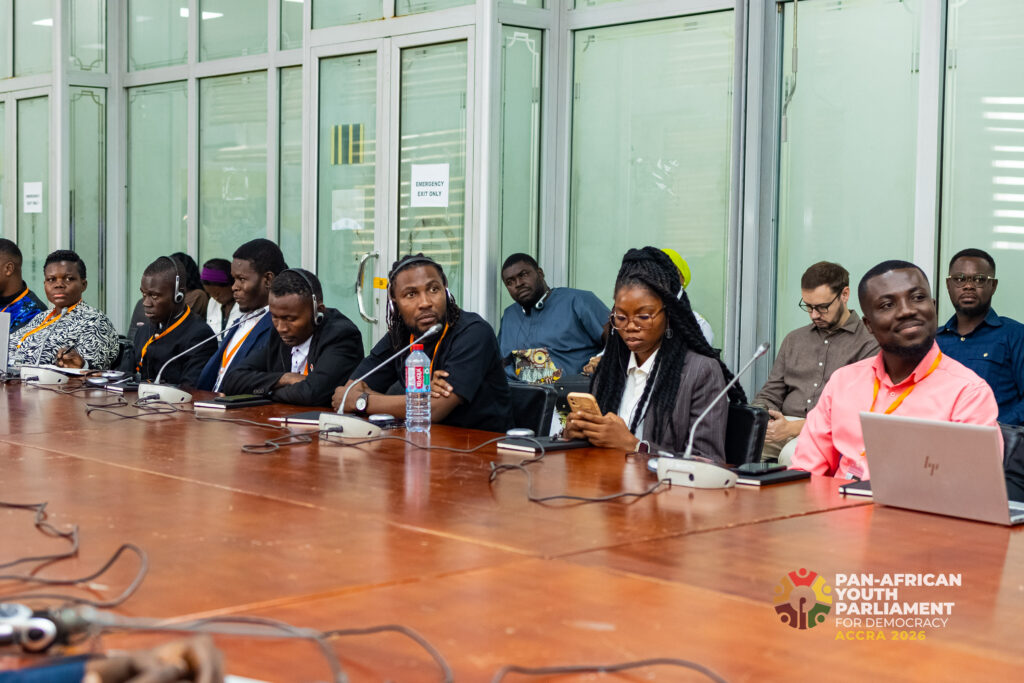
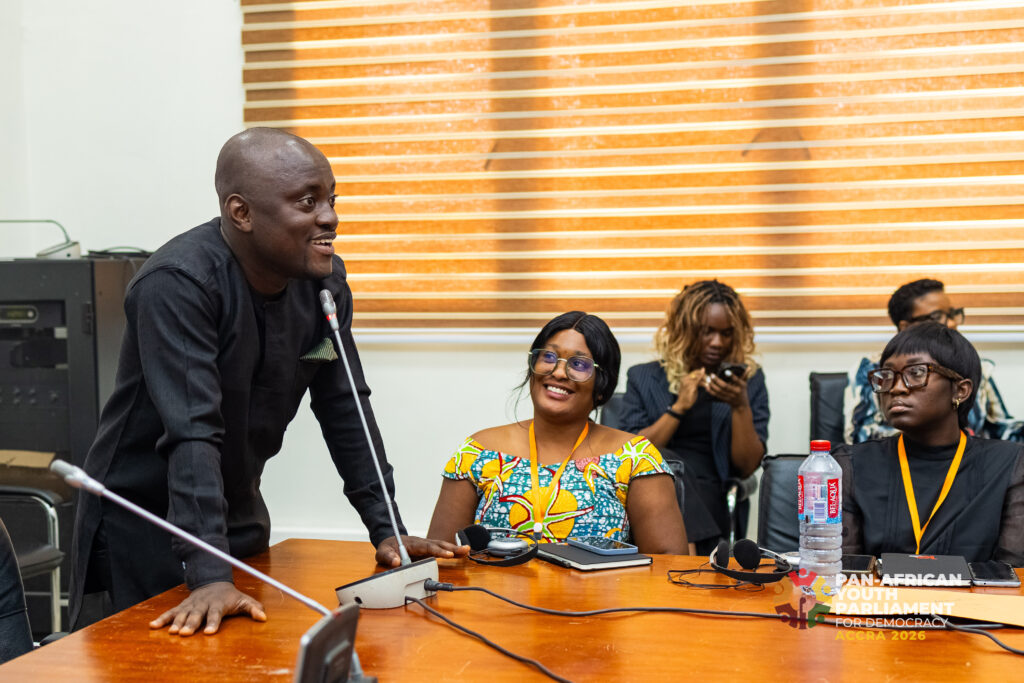
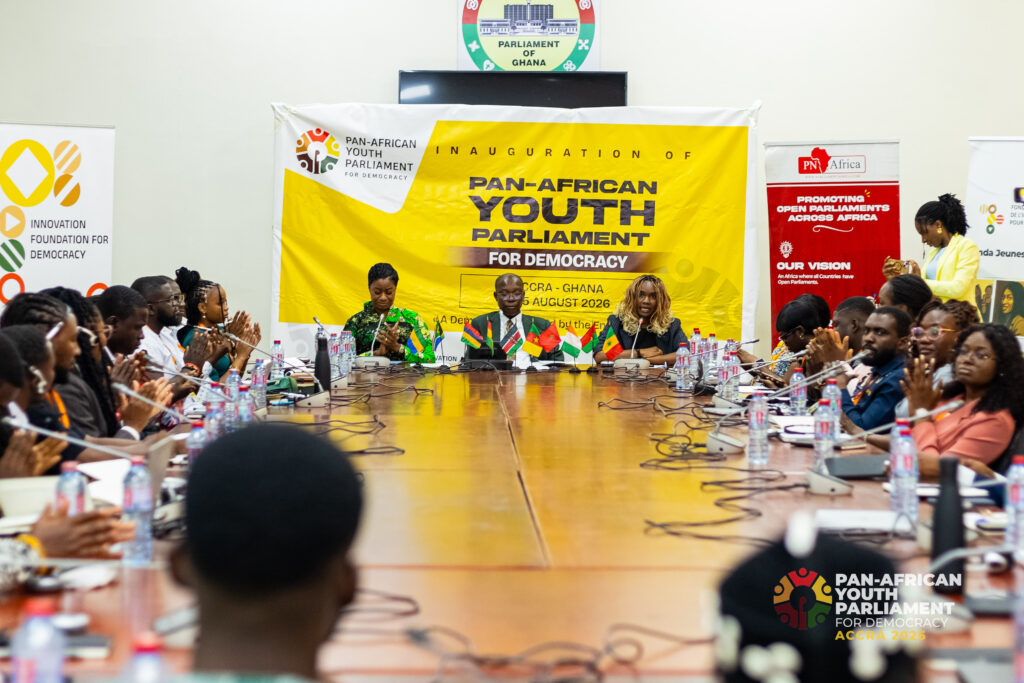
The parliament opened on 3rd August with round-table introductions of delegates, followed by welcome remarks from Mr. Samuel Obeng, President of PN Africa, who explained why Ghana was the natural choice to launch the initiative and reaffirmed PN Africa’s commitment to youth participation in parliamentary spaces.
Representatives of the Innovation Foundation for Democracy spoke to the organization’s mission of sustaining democracy across Africa through support for women and youth, the defense of civic freedoms, and public debate on democratic governance.
The opening addresses set an emotional and motivational tone. Ms. Arlande Aroukoun urged delegates to “do our part of the game and pave the way for others,” while Lawyer Ernest, Head of the Parliament Training Institute, reminded the gathering that the future of the world “will depend largely on the opportunities and roles entrusted to young people.”
MDME. Scyrielle Philomène Sende Etali challenged delegates to move beyond dialogue and toward solutions, urging them to “focus and do what is good” and offering the memorable line: “It will never be dark forever, the sun will definitely rise again.”
Perhaps the sharpest note of the day came from Mpule Kgetsi, Union Youth Ambassador for Peace, who pointed to Botswana’s democratic transition after 58 years of a single governing party as proof of what young people can achieve. Her words captured the spirit of the gathering: “Young people do not want the table anymore, we want power.” She also warned that a lack of trust in democratic institutions “is not just a governance crisis, it is also a peace crisis.”
Delivering the keynote address, Hon. Bernard Ahiafor, First Deputy Speaker of the Parliament of Ghana, told delegates that youth participation “is not a favor granted to young people, it is an imperative of democracy,” and that Africa’s democratic future depends on how deliberately young women and men are empowered.
The day also featured a discussion on African identity and unity, with delegates reflecting on how to build harmony across the continent without erasing local diversity, and breakout sessions on peaceful movement-building and youth-led civic engagement. One presentation noted a sobering statistic: while young people make up roughly 60% of Africa’s population, the continent’s average youth participation score of 52 still trails the global average of 61 — and in Ghana’s own Parliament, only 17.1% of MPs are under the age of 40.
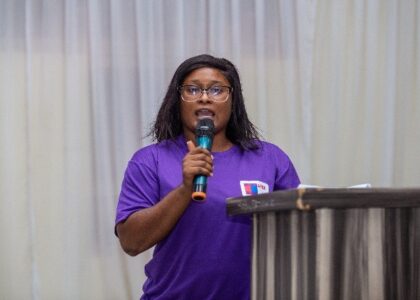
There was a break-out workshop session of which one of the sessions was co-facilitated by AFES-Ghana’s President & co-founder Muta-wakilu Mahama (PhD) on the “analysis of youth-led initiatives promoting electoral participation, civic engagement and institutional involvement in Africa”. This brought a closure to day one activities.
Learning the Machinery of Continental Democracy
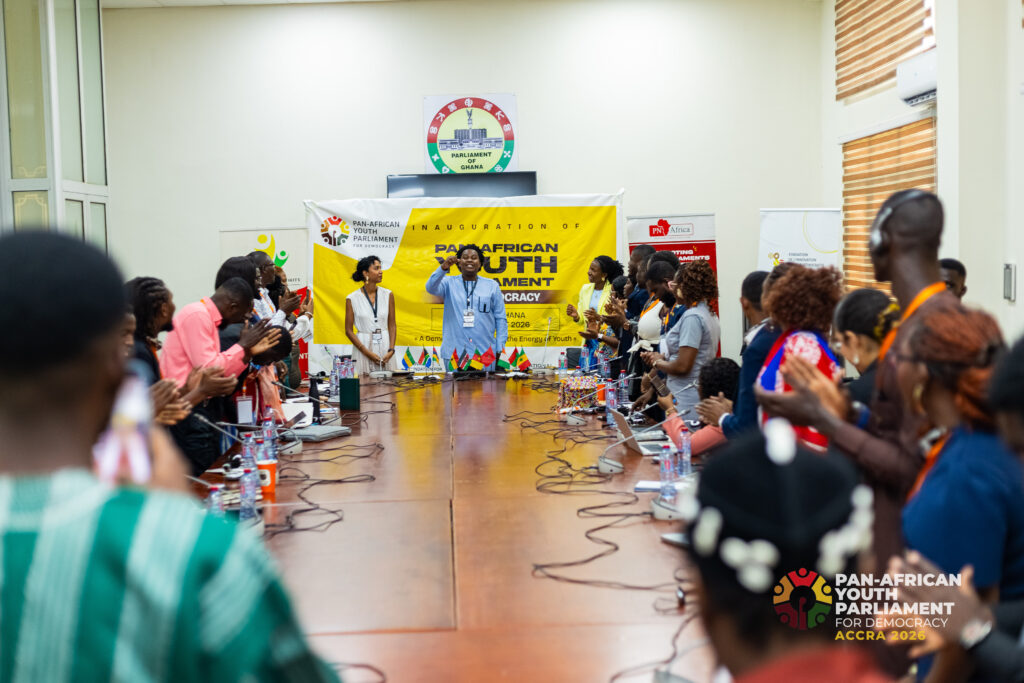
Day Two, held on 4 August, turned to the institutional architecture of African democracy. CSO Coordinators from the Pan African Parliament, Mr. Gilbert and Bolulu, walked delegates through how the continental body operates — a unicameral system without majority or minority caucuses, where each country speaks with one voice free of domestic political affiliations, and where leadership rotates across the continent. They traced its legal foundation to the Pan African Parliament Malabo Protocol and to Articles 3 and 4 of the Constitutive Act of the African Union, which guarantee citizens’ fair participation in the Union, while also outlining the Pan African Parliament CSO Forum as a formal bridge connecting African civil society to the Parliament’s committees.
The Chief Executive Officer of Ghana’s National Youth Authority described the gathering as “the beginning of a continental platform that discusses how we can keep our democracy,” cautioning delegates that “numbers without quality is just statistics, and meaningless.”
The day’s most reflective session, “Trusting to Change the World,” facilitated by Anushka and Fofogah, explored the philosophy of change itself. Delegates examined three obstacles that hold societies back — the weight of habit, fear of the unknown, and rigid vertical structures — and discussed how to overcome them through imagination, self-clarity, and sustained will. As one facilitator put it, “Thinking without acting is fruitless; acting without thinking is dangerous.” The session closed with a call to volunteerism, framed as the act of offering one’s time, skills and resources to a cause that matters, with the reminder that “someone might be inspired by the actions we take.”
Drafting the Accra Declaration
The final day, 5 August, was devoted to drafting the parliament’s key outcome document: the Accra Declaration. Delegates split into thematic working groups covering seven pillars — Civic Education, Peace & Security, Digital Citizenship, Climate, Economy & Finance, Health & Mobility, and Accountability & Governance — each tasked with identifying a problem, naming who it should be addressed to, and proposing specific, actionable, and distinctly African solutions.
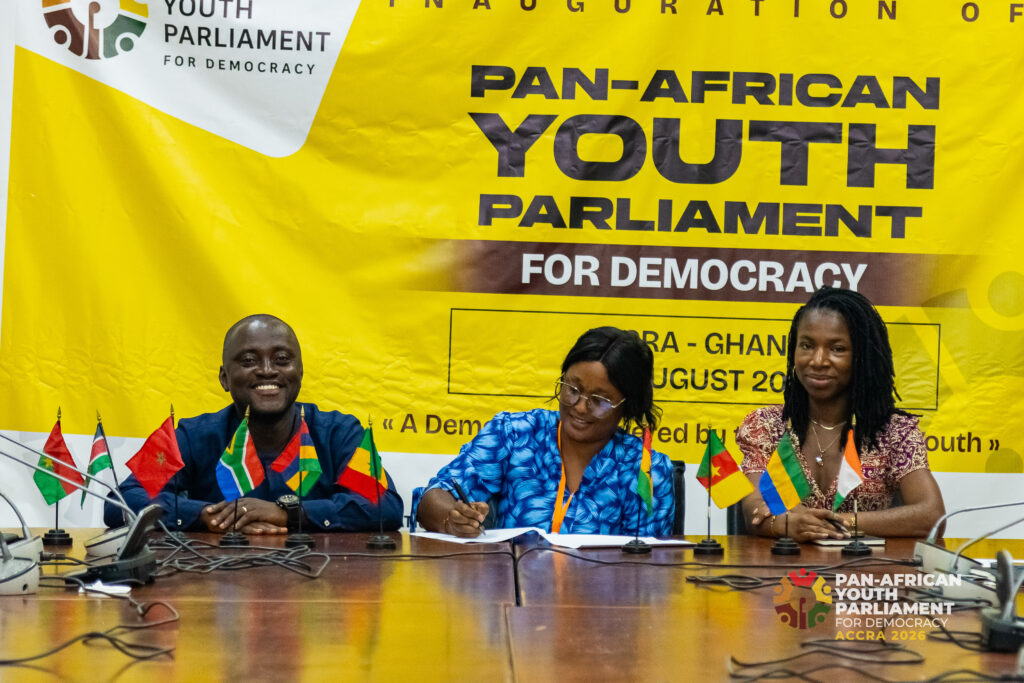
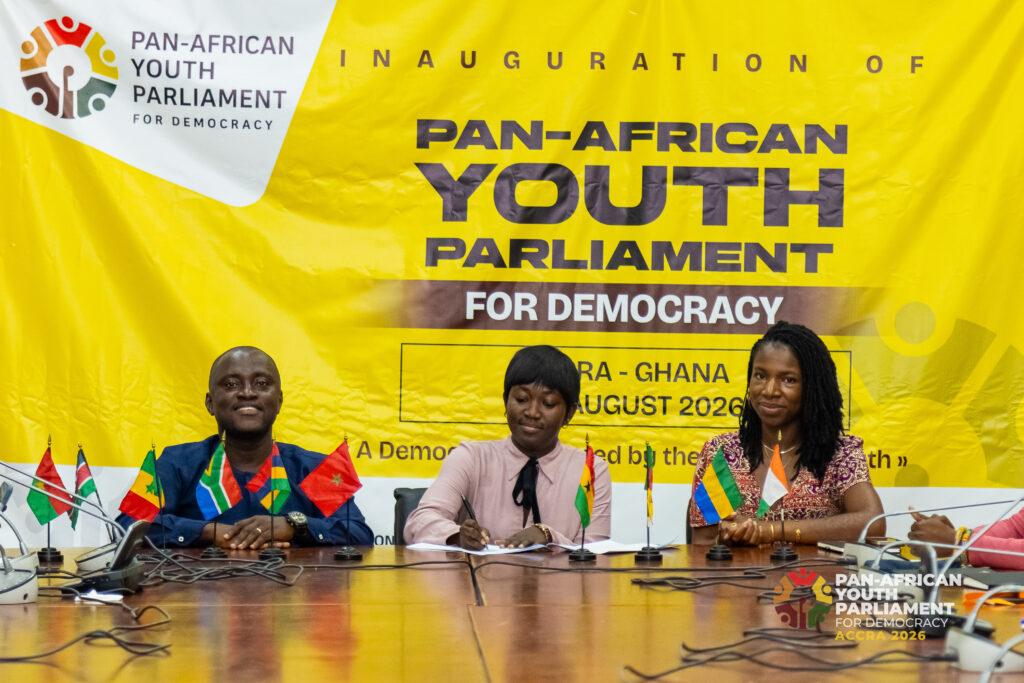
Deliberations on the Declaration were not completed within the three-day session. To preserve the momentum built over the gathering, parliamentarians, delegates and organizers signed a commitment document — to be formally published on 12 August 2026 — affirming that the completed Accra Declaration will be published on 15 September 2026.
| Milestone | Date |
| Inaugural Session and signing of commitment document | 3–5 August 2026 |
| Publication of the commitment document | 12 August 2026 |
| Publication of the finalized Accra Declaration | 15 September 2026 |
What the Session Leaves Behind
Across the three days, several threads ran through the discussions: a consistent call for young people to move from being consulted to holding real decision-making power; concern that democratic progress must be anchored in institutions rather than the goodwill of individual leaders; a push to root national engagement in a shared Pan-African identity while honoring local diversity; recognition that frameworks like the African Youth Charter exist but still lack effective monitoring mechanisms; and a shared conviction that meaningful change demands clarity, imagination and will — not reflection alone.
With the commitment document set for publication on 12 August and the full Accra Declaration due on 15 September 2026, the inaugural Pan African Youth Parliament for Democracy has set both a symbolic and practical marker: that the next chapter of African democracy will be written with young people at the table — or, as one delegate put it, no longer content merely to sit at it.